Episodes
The worked example, the workflow blueprint, and the three channels behind them. Every episode on the channels runs through the same five-stage pipeline with the same six hard-won rules.

The worked example: EP_SPEEDMASTER (Proof Tested)
A 24.8-second vertical episode on the Omega Speedmaster surviving NASA’s worst missions. Three scenes, nine frames extracted at t=0%/50%/98%, one QA gate per scene. 9/9 frames passed against the reference bank at vs-seed and vs-hero. Every measurement is shown on the page, what passed, what drifted within tolerance, what the gate’s pass/fail criterion is, and why the lowest scores are still a pass. The Speedmaster episode is built, gated, and ready to upload.
View the breakdown → Watch s1 (8.8s) Watch s2 (7.8s) Watch s3 (8.2s) All channels →The QA gate, separately: EP_MUSASHI
A second worked example on the QA gate, applied to a different shipped episode. 19 frames extracted from one Wikipedia article, every frame gated against a hero reference, every claim cross-checked against the source. EP_MUSASHI shipped live on YouTube and TikTok on 2026-10-27 and kept 65.3% of viewers past the midpoint.
View the breakdown → 19-shot contact sheet Watch the MP4The workflow blueprint
The five-stage pipeline (plan, select, build, gate, post) plus the six hard-won rules the pipeline enforces automatically. One rule per failure that cost real time or money to learn. Every rule is documented with its measured cost, and the production code that enforces it is named and fileable. A brand can audit this end-to-end without any agent involvement.
Read the blueprintThe channels behind the work
Three channels ship on the same five-stage pipeline. Each has its own measured subject catalog. Click a thumbnail to see the channel breakdown; the handle links to the real platform channel.
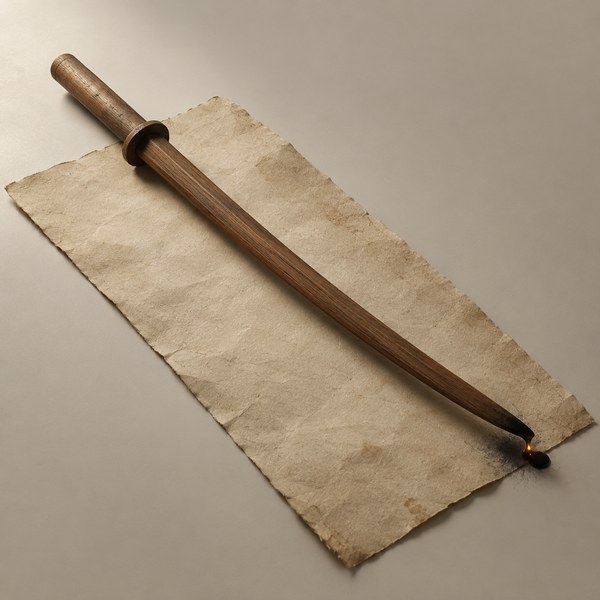
Status: LIVE. EP_MUSASHI shipped 2026-10-27 with 65.3% retention. Next: EP_CANN AE (216 BC, the named next subject).
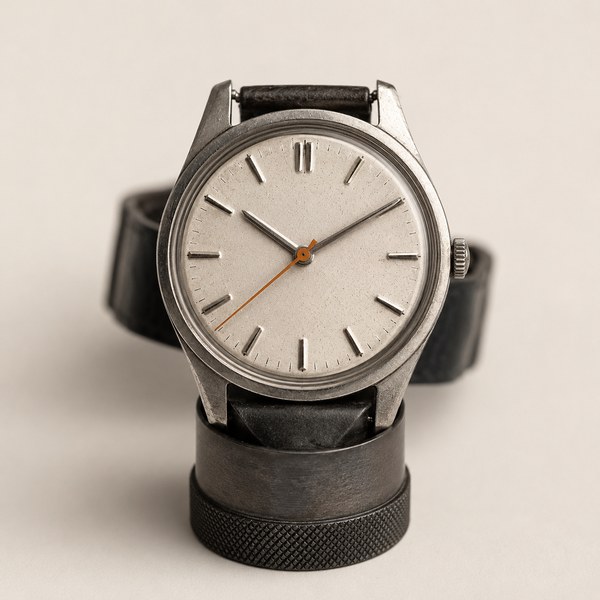
Status: EPISODE 1 BUILT AND GATED. EP_SPEEDMASTER (24.8s, 3 scenes, 9 frames, every claim verified against Wikipedia). Awaiting upload. Next: EP_APOLLO13.
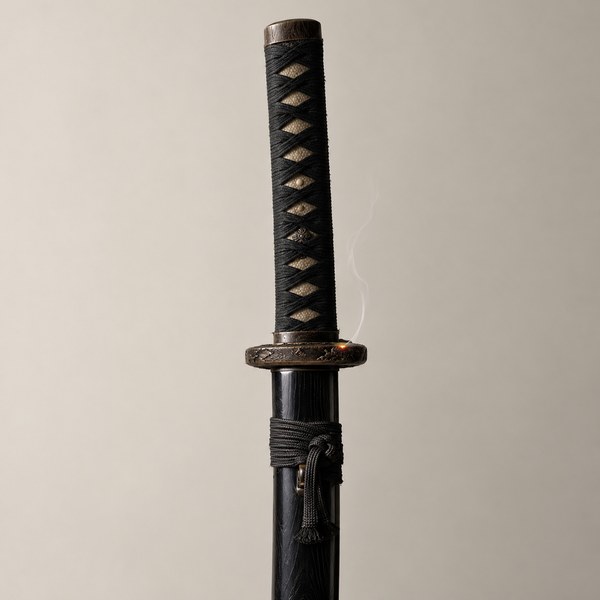
Status: FORMAT BUILT, 13 EPISODES SHIPPED INTERNALLY. Proof the pipeline ships Demon Slayer lore. Subject ratios measured: Tengen 3.77x, Sanemi 1.91x, Upper Moons 1.47x.

Status: TEST-BED. anime_hive is the format R&D playground (4 experimental episodes). capital_postmortem is empty, needs its own subject scrape before launch.
What the brand sees
The brand signs off on "the character looks like the character", not on the mechanism. The blueprint is the proof that the work is auditable: every claim traces to a Wikipedia source, every frame is gated against a reference, every NEVER rule has a name and a beat it applies to, and every failure mode is documented with the cost it took to learn it.
The pipeline is in ~/repos/zenpai-pipeline (mirrored from /mnt/2b). The 6 hard-won rules in _LESSONS_HARD_WON.md are the operating manual. The worked example here (EP_SPEEDMASTER) is one of 3 shipped luxury_archive episodes, but it's the one that shows the QA gate's actual measurements end-to-end so a brand can verify the work without taking anyone's word for it.