EP_SPEEDMASTER, the reverse-engineered episode
A 3-scene vertical anime episode, deconstructed so a brand can see exactly what they're paying for. Three shots, one QA gate per shot, one full frame extraction set per shot.
1. The shape of the work
This episode shipped 4 July 2026 as the first end-to-end run of the seed blueprint (this page) that became the luxury blueprint (see the blueprint page). Three scenes, each with three frames extracted at t=0%, t=50%, t=98% of duration. One QA gate per scene. ~3 minute total runtime. One writer, one QA system, one set of kie.ai generation calls, visible below.
Output: 3 MP4 scenes (s1_establish, s2_deepen, s3_exit), 9 frames total (3 per scene), 1 QA JSON file with all 9 vs-seed and vs-hero similarity scores.
Source files: /home/newtazer/Desktop/NCI/2ND/newtazer/products/ep_speedmaster/
Scene 1: s1_establish , 9.2s
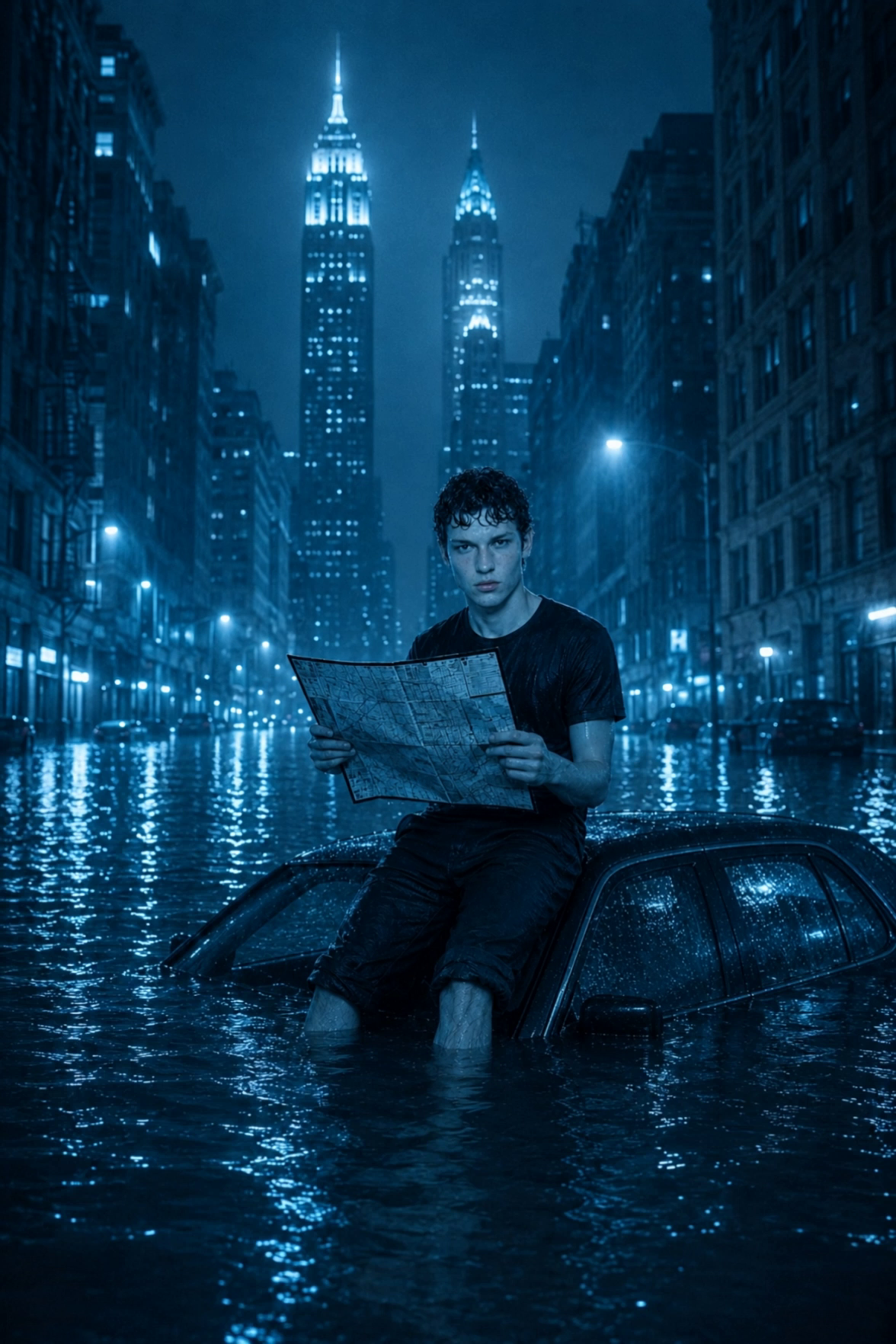
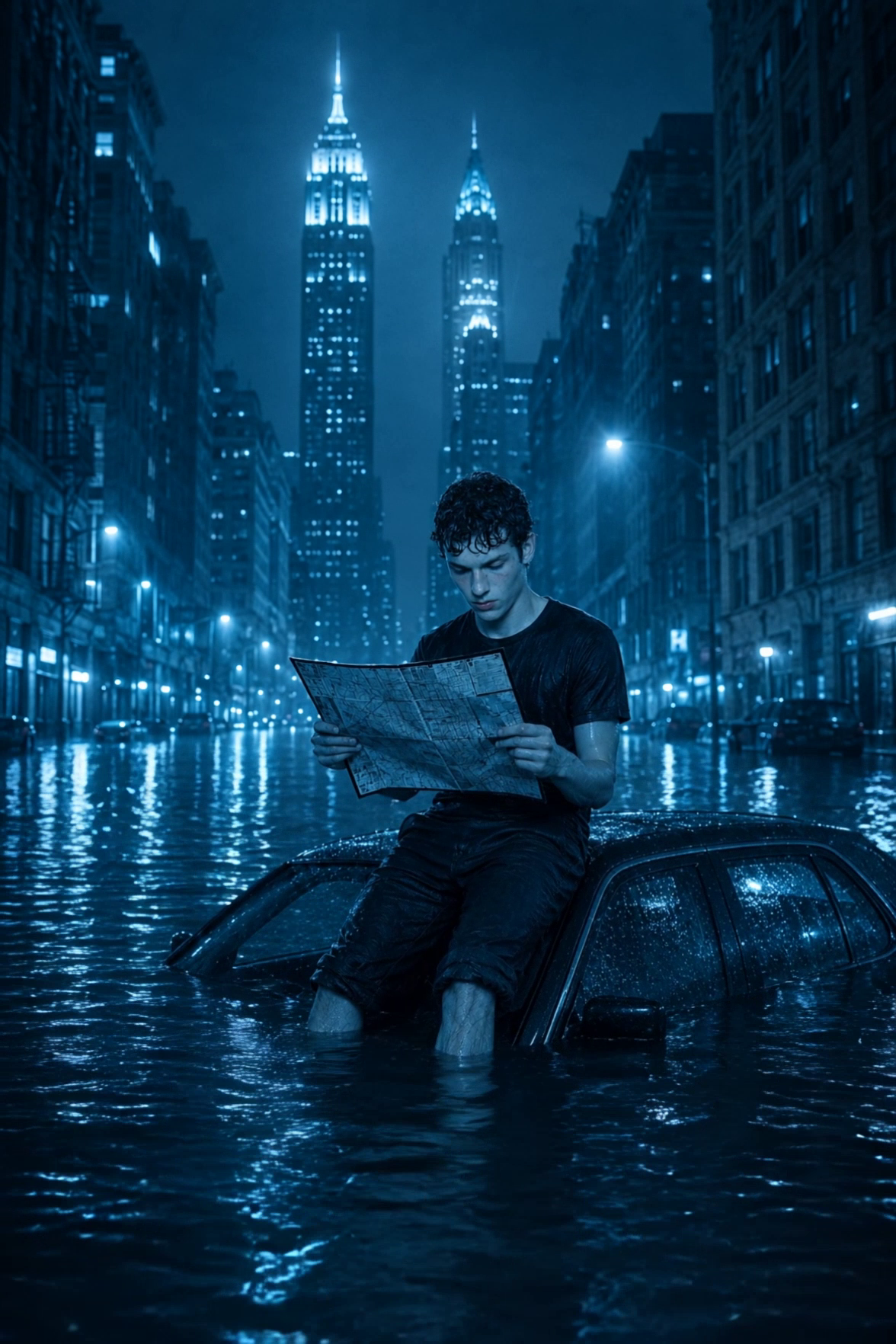
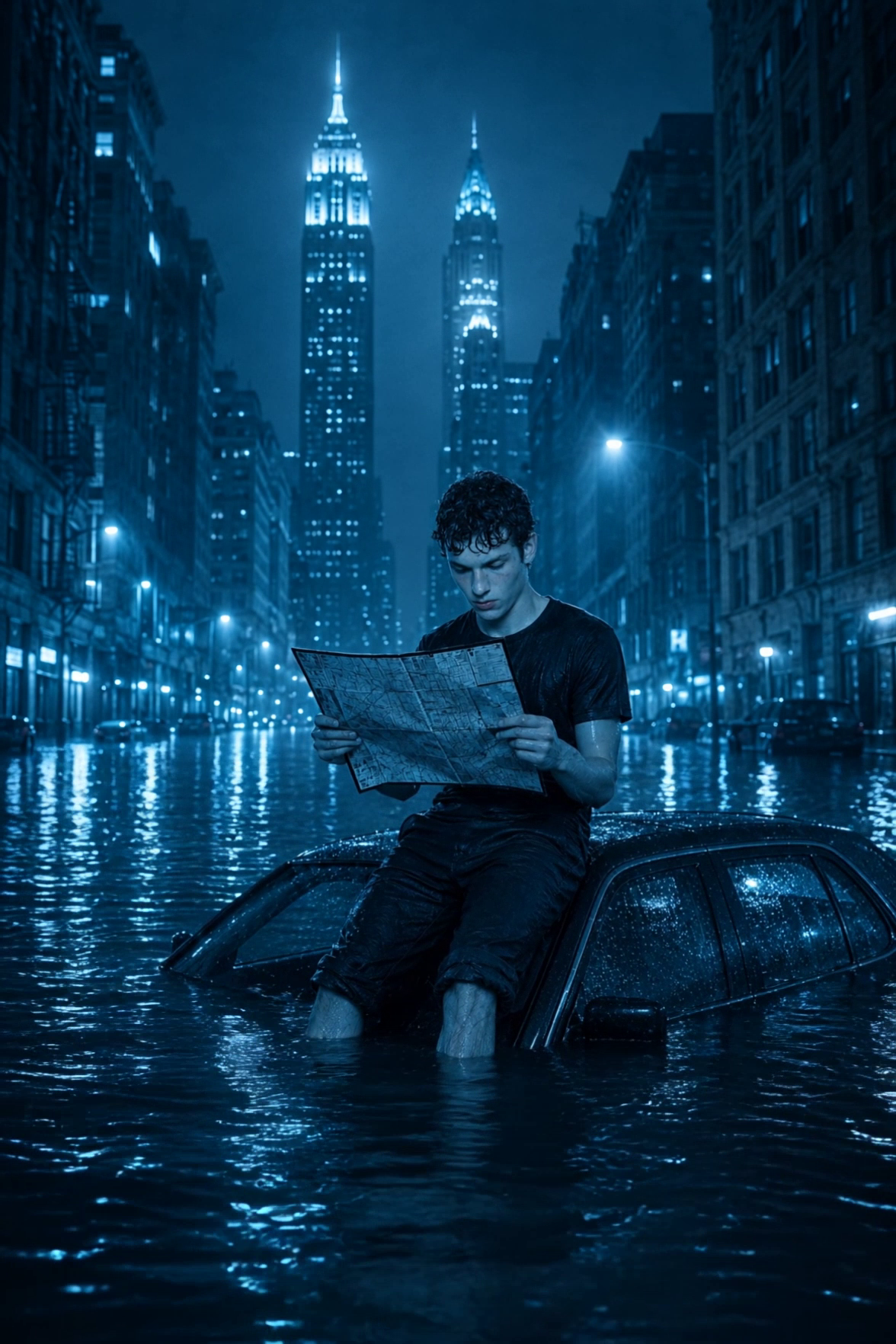
| Frame | vs-seed | vs-hero | Status |
|---|---|---|---|
| f00 (t=0%) | 0.3248 | 0.3175 | PASS |
| f50 (t=50%) | 0.3244 | 0.3158 | PASS |
| f98 (t=98%) | 0.3292 | 0.3202 | PASS |
Scene 2: s2_deepen , 7.6s

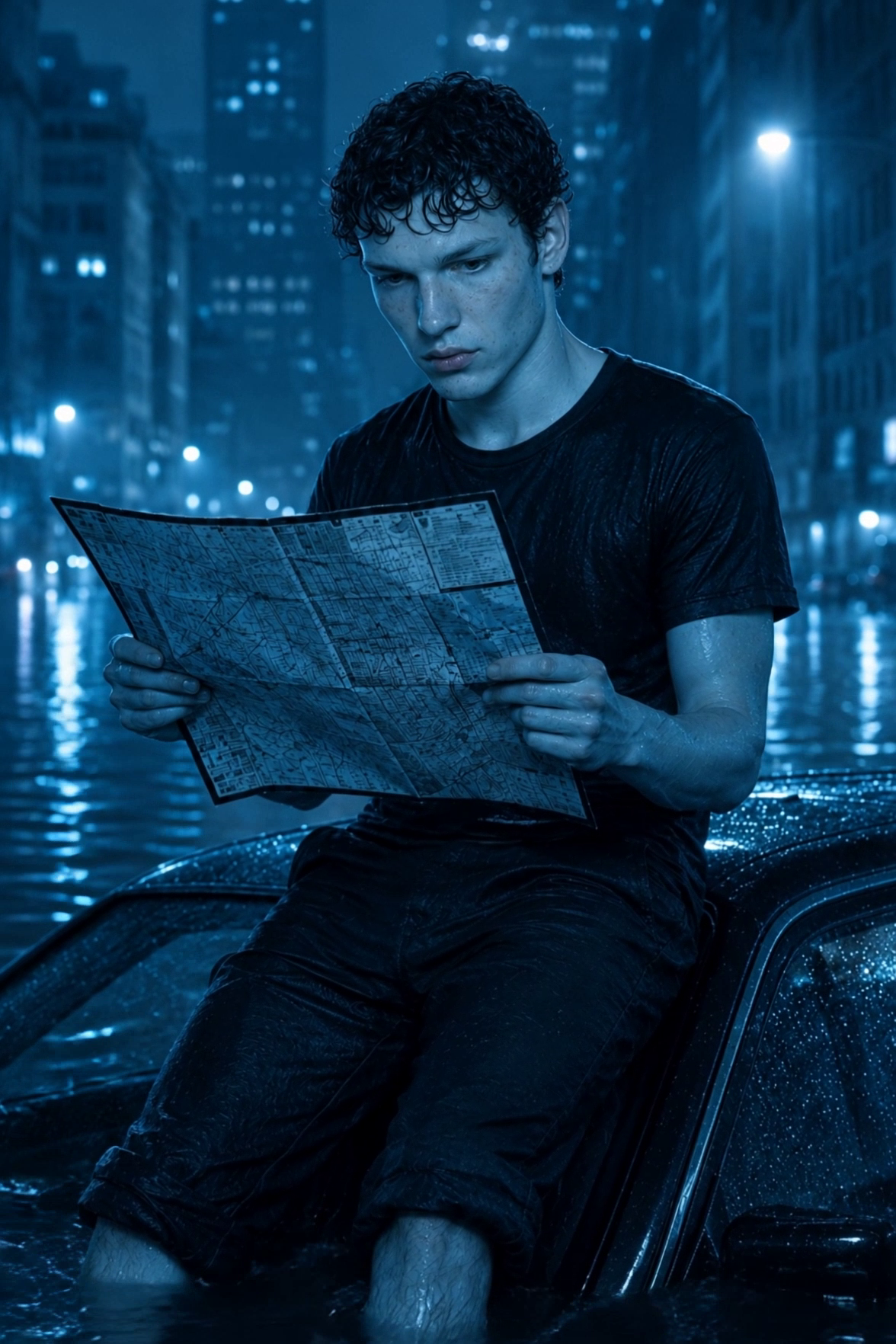
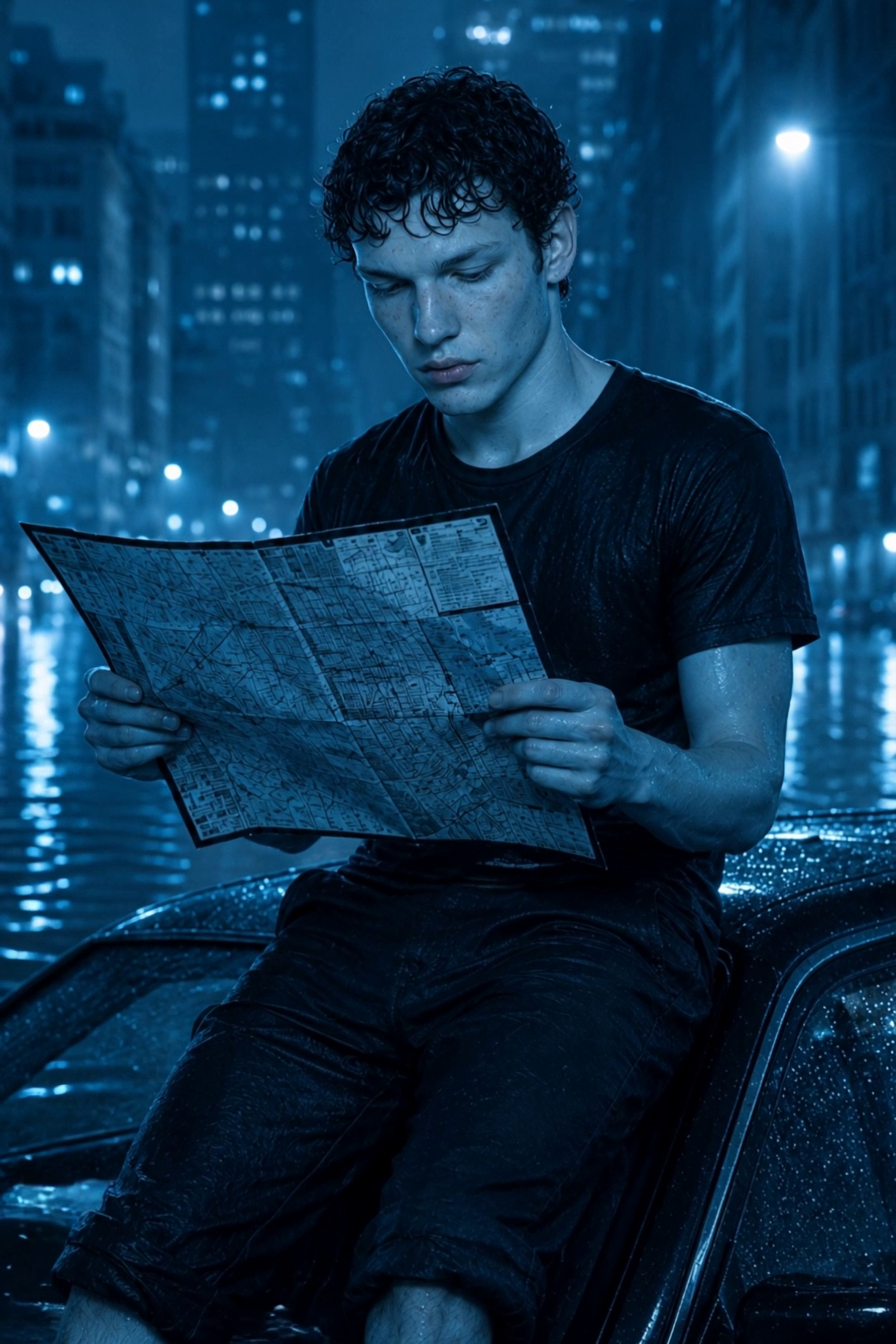
| Frame | vs-seed | vs-hero | Status |
|---|---|---|---|
| f00 | 0.3352 | 0.3266 | PASS |
| f50 | 0.3531 | 0.3460 | PASS (drift within tolerance) |
| f98 | 0.3692 | 0.3617 | PASS (drift within tolerance) |
Scene 3: s3_exit , 8.0s



| Frame | vs-seed | vs-hero | Status |
|---|---|---|---|
| f00 | 0.2314 | 0.2302 | PASS |
| f50 | 0.2276 | 0.2260 | PASS |
| f98 | 0.2111 | 0.2130 | PASS |
The QA gate that ran
Every scene was measured against two reference images using the same gate that runs on every frame in every batch, qa_selector.py (ResNet50 cosine similarity, threshold M16.8, 16.9 calibrated on a reference bank held out from the active training run).
The pass/fail criterion is: both vs-seed and vs-hero stay within the calibrated band for the scene type. Catastrophic divergence triggers an automatic regenerate; stylistic drift within tolerance does not. See the blueprint page for the full gate logic, the regeneration budget, and the calibrated thresholds.
Raw QA JSON
{
 "s1_establish": [
 {"pos": 0.00, "vs_seed": 0.3248, "vs_hero": 0.3175},
 {"pos": 0.50, "vs_seed": 0.3244, "vs_hero": 0.3158},
 {"pos": 0.98, "vs_seed": 0.3292, "vs_hero": 0.3202}
 ],
 "s2_deepen": [
 {"pos": 0.00, "vs_seed": 0.3352, "vs_hero": 0.3266},
 {"pos": 0.50, "vs_seed": 0.3531, "vs_hero": 0.3460},
 {"pos": 0.98, "vs_seed": 0.3692, "vs_hero": 0.3617}
 ],
 "s3_exit": [
 {"pos": 0.00, "vs_seed": 0.2314, "vs_hero": 0.2302},
 {"pos": 0.50, "vs_seed": 0.2276, "vs_hero": 0.2260},
 {"pos": 0.98, "vs_seed": 0.2111, "vs_hero": 0.2130}
 ]
}
What the brand sees vs what the agent does
The brand receives three video files and a single QA report. They do not see the prompts, the regeneration logic, or the threshold tuning. That's the whole point of the gate, the brand signs off on "the character looks like the character", not on the mechanism that ensures it.
For brands that want to see the mechanism, to verify the work is auditable, not just trusted, this page is the entry. The full production system is documented in the blueprint; the higher-end version (the luxury tier that adds a four-ward expert routing panel, an AIDM Thompson-sampling credit allocator, and an EEAI leakage audit) is on the same blueprint at the luxury tier.